


Winter Piano Moving Tips to Protect Your Instrument
Moving a piano is always a delicate process, but winter adds an extra layer of challenge. Cold temperatures, snow, ice and fluctuating humidity can all impact both the instrument and the safety of the move itself. With the right preparation and an experienced moving team, however, your piano can be relocated safely even in the harshest winter conditions. Here are essential winter piano moving tips from our piano mover in Minneapolis to help protect your instrument and ensure a smooth move.
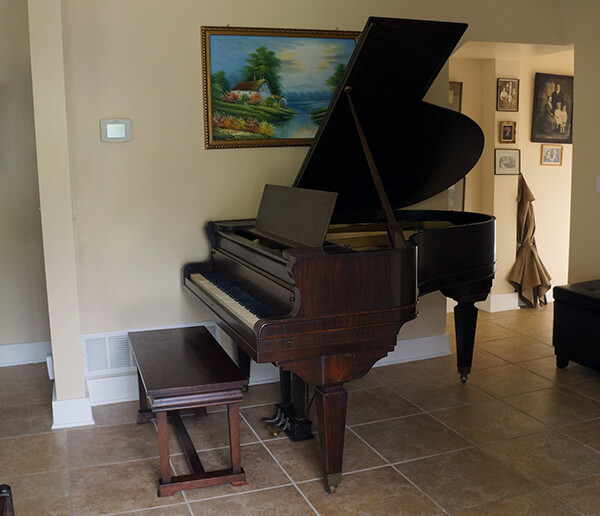
One of the biggest concerns during winter piano moves is temperature exposure. Pianos are made primarily of wood, felt and metal, all of which react to extreme cold. Sudden temperature changes can cause wood components to expand or contract, potentially leading to cracks, loose tuning pins or internal stress. Professional piano movers use insulated moving trucks to help reduce direct exposure to freezing air. Many specialized piano moving trucks are also equipped with heaters in the cargo area, similar to those used in school buses, which helps maintain a more stable environment during transport. While the truck doors must still be opened during loading and unloading, insulation and heat provide far more protection than an unheated vehicle.
Before moving day arrives, it is important to prepare your home. Clear and shovel all walkways, driveways, porches and entry points where movers will be carrying the piano. Ice and packed snow significantly increase the risk of slips and falls, which can be dangerous for both movers and your piano. Applying ice melt or de-icer to these areas creates a much safer path and allows movers to maintain control of the instrument at all times. Safer footing leads to safer piano handling.
Inside your home, remove rugs, décor or furniture that could get in the way. Moisture from snow-covered boots can make floors slippery, so keeping pathways clear and dry helps prevent accidents. If possible, place protective coverings near entrances to catch melting snow and moisture before it reaches hardwood or tile floors.
Once the piano arrives at its new location, allow it time to acclimate before tuning. Winter air tends to be dry, especially indoors when heating systems are running. This dryness can affect the piano’s soundboard and strings. Giving the instrument time to adjust to the indoor temperature and humidity helps prevent unnecessary stress. Most professionals recommend waiting a couple of weeks before scheduling a tuning after a winter move.
Using a professional piano moving company during winter is especially important. Pianos are heavy, awkwardly shaped and extremely sensitive to environmental changes. Experienced movers understand how to properly wrap, secure and transport pianos in cold conditions while minimizing risk. From insulated trucks to carefully planned routes and safe handling techniques, professional movers take winter variables into account every step of the way.
With proper planning, cleared pathways and professional equipment, a winter piano move can be just as successful as one done in warmer months. Taking these precautions helps ensure your piano arrives safely, stays protected from the elements, and continues to sound beautiful for years to come. Call us today at 763-784-8123 or contact us for a free estimate!