


5 Common Piano Storage Mistakes
Whether you are moving, renovating your home or simply need extra space, piano storage in Minneapolis can be an excellent solution for protecting your instrument. However, storing a piano is not as simple as placing it in an empty room and covering it with a blanket. Pianos are delicate instruments made from wood, felt, metal and other materials that can be affected by environmental conditions. Improper storage can lead to costly damage that impacts both appearance and performance.
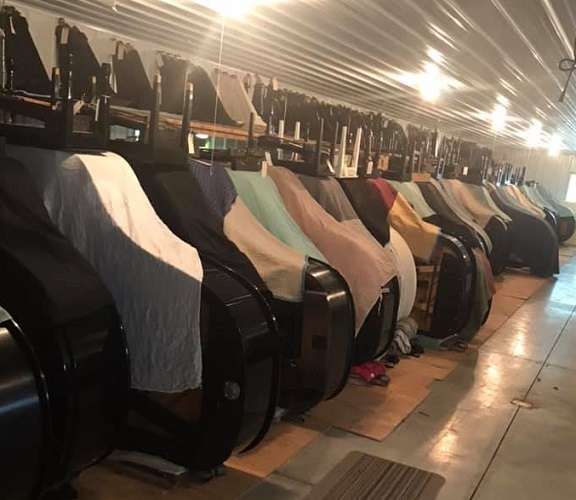
At Piano Movers Extraordinaire, we have helped countless piano owners safely transport and store their instruments. Here are some common mistakes people make when storing a piano and how to avoid them.
Why Proper Piano Storage Matters
A piano is a significant investment and often holds sentimental value as well. Temperature fluctuations, excess moisture and improper handling can cause damage that may require extensive repairs. Choosing the right piano storage solution helps preserve your instrument.
Storing a Piano in a Garage
One of the most common piano storage mistakes is placing the instrument in a garage. While it may seem convenient, garages are rarely finished and climate controlled. Extreme cold/heat and fluctuating humidity levels can cause the wooden components of a piano to expand and contract, potentially leading to cracks, warping and tuning instability.
A professional piano storage facility provides a controlled environment designed to protect your instrument from these harmful conditions.
Using a Basement for Piano Storage
Unfinished basements often present similar risks. Unfinished basements experience higher humidity levels than the rest of the home, creating the perfect environment for mold, mildew and rust. Moisture can damage strings, internal components and the piano’s finish.
If you need long-term piano storage, it is important to choose a location specifically designed to maintain stable humidity and temperature levels.
Covering the Piano Incorrectly
Many people assume that any cover will protect a piano during storage. Unfortunately, using plastic tarps or airtight coverings can trap moisture against the piano’s surface. Over time, this can contribute to mold growth and finish damage.
Instead, use breathable piano covers and ensure the instrument is stored in a climate-controlled environment where excess moisture is not a concern.
Skipping Professional Piano Movers
Attempting to move a piano without professional assistance is a mistake that can lead to serious damage. Pianos are heavy, awkwardly shaped and highly sensitive to movement. Improper lifting or transportation can cause major damage to the piano, home or cause a serious injury.
Professional piano movers have the specialized equipment and experience necessary to transport your instrument safely into storage.
Ignoring Climate Control
Climate-controlled piano storage is one of the most important factors in protecting your investment. Rapid temperature changes and fluctuating humidity levels can affect nearly every part of a piano, from the soundboard to the action mechanism.
A dedicated piano storage facility maintains consistent conditions year-round, helping to prevent unnecessary wear and damage.
Trust Piano Movers Extraordinaire for Safe Piano Storage
Avoiding these common piano storage mistakes can help protect your instrument for years to come. At Piano Movers Extraordinaire, we offer professional piano moving and secure climate-controlled piano storage designed specifically for the unique needs of pianos. Whether you need short-term or long-term storage, our experienced team is committed to keeping your piano safe, and protected.
Contact Piano Movers Extraordinaire today to learn more about our piano storage solutions and schedule your service. Call us today at 763-784-8123 or contact us for a free estimate!